The Centers for Advanced Orthopaedics is redefining the way musculoskeletal care is delivered across the region with locations throughout Maryland, DC, Virginia and Pennsylvania.
-
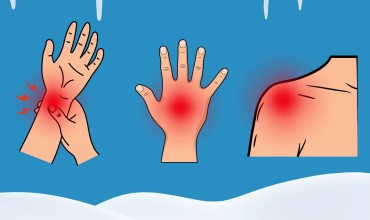 February 6, 2026
Ask the Expert: Winter Hand, Wrist & Shoulder Injuries - What to Do After a Fall or Sports Injury
-
 January 30, 2026
How AI Is Improving Foot and Ankle Care for Patients
-
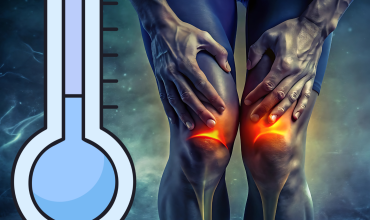 January 29, 2026
Ask the Expert: Why Your Joints Hurt More in Winter — and What You Can Do About It
-
 January 15, 2026
Workers’ Compensation Tips for 2026: How to Support Employee Recovery and Prevent Workplace Injuries
-
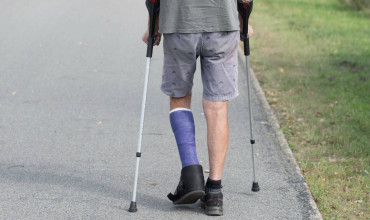 November 6, 2025
How to Reduce Your Risk of Falls and Bone Fractures
-
 October 16, 2025
Hydration and Joint Health: Why Water is Essential for Your Joints
-
 September 18, 2025
Sprained Ankle vs. Broken Ankle: How to Tell the Difference
-
 August 21, 2025
When to See a Doctor for Shoulder Pain After a Workout
-
 July 10, 2025
The Best Exercises for Joint Health and Flexibility
-
 June 19, 2025
Calcium and Vitamin D: How Much Do You Really Need for Healthy Bones?
-
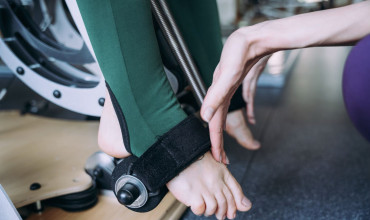 May 15, 2025
The Best Stretches and Exercises for Ankle Strength and Stability
-
 April 10, 2025
Should You Ice or Heat a Sports Injury? Advice from the Experts
-
 March 20, 2025
Yoga and Joint Pain: Safe Poses for People with Arthritis
-
 February 6, 2025
Osteoporosis 101: What You Need to Know About Bone Loss
-
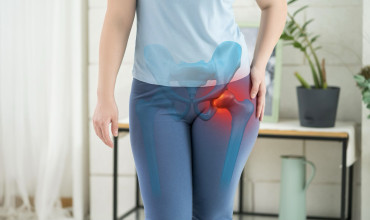 January 9, 2025
When Is It Time for a Hip or Knee Replacement?
-
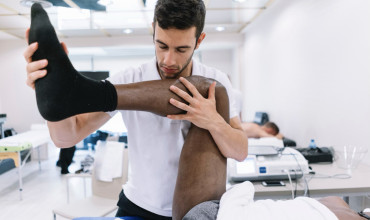 December 11, 2024
Comparing Orthopaedic Treatment and Sports Medicine
-
 November 20, 2024
How to Maintain Spine Health During the Winter Season
-
 September 12, 2024
How to Manage Pain After Orthopedic Surgery
-
 May 16, 2024
What to Expect During a Functional Capacity Evaluation
-
 April 25, 2024
Common Foot Injuries and How to Treat Them
-
 February 15, 2024
How School Athletes Can Prevent Injuries
-
 January 11, 2024
Can Physical Therapy Help Arthritis?
-
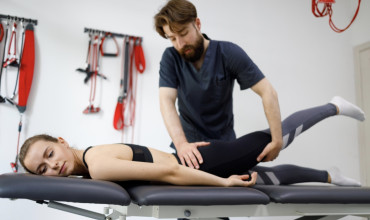 March 23, 2023
The Difference Between Sports Medicine and Physical Therapy
-
 February 23, 2023
What is Arthroscopy? Resolving Joint Issues
-
 January 22, 2023
Setting Goals to Improve Your Health in the New Year
-
 November 24, 2022
The Signs You Need a Hip Replacement
-
 November 6, 2022
Treatment Options for a Meniscus Tear
-
 October 13, 2022
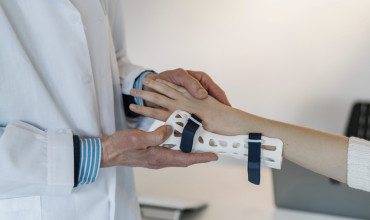
The Most Common Orthopedic Surgeries
-
 July 14, 2022
The Best Exercise for Carpal Tunnel
-
 June 22, 2022
Why is Physical Therapy Important? | How Physical Therapists Help Patients
-
 May 12, 2022
Infusion Therapy for Osteoporosis | Bisphosphonates Treatments
-
 April 21, 2022
When Should You See a Doctor About Your Arthritis Pain?
-
 March 24, 2022
What are Sports-Related Injuries?
-
 February 17, 2022
Accelerate The Healing Process with Low-Level Laser Therapy (LLLT)
-
 January 26, 2022
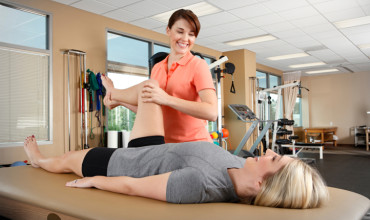
What is an FCE?
-
 December 16, 2021
What Is Electromyography (EMG)?